


Hoi An ancient town – A journey through centuries of beauty and culture
15.10.2025


In the heart of Hoi An lies Thanh Ha Pottery Village, a place where time slows to the rhythm of spinning wheels and the fragrance of clay lingers in the air. For more than five centuries, artisans here have shaped not only pottery but also the identity of their community.
Located on Pham Phan Street in Thanh Ha Ward, just 3 kilometers west of Hoi An Ancient Town, Thanh Ha Pottery Village is one of the region’s oldest and most significant craft villages. For centuries, pottery-making has been a defining tradition here, deeply connected not only to the cultural identity of Hoi An but also to the surrounding Quang Nam region.
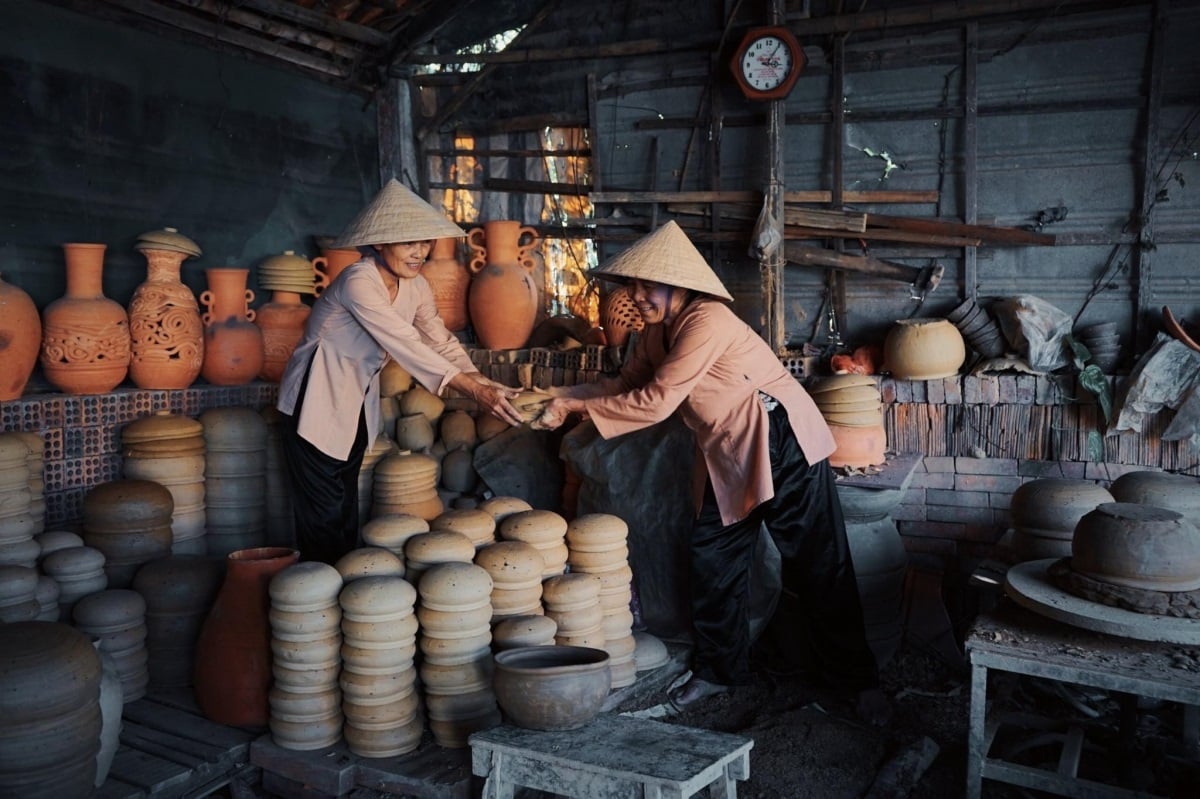
The village is open daily from 8:30 AM to 4:30 PM, and entrance tickets cost 35,000 VND for adults and 15,000 VND for children.
Reaching Thanh Ha Pottery Village from the Ancient Town is simple and enjoyable. Travelers can cycle or ride a motorbike along the Thu Bon River, following Hung Vuong Street out of town until the river appears on the left. Continue onto Duy Tan Street for about one kilometer, then turn left onto Pham Phan Street — the village and the Thanh Ha Terracotta Park are just a few meters ahead.
For a quicker option, taxis provide an effortless 10-minute ride from the Ancient Town. Alternatively, visitors can take a scenic boat trip down the Thu Bon River, which takes around half an hour.
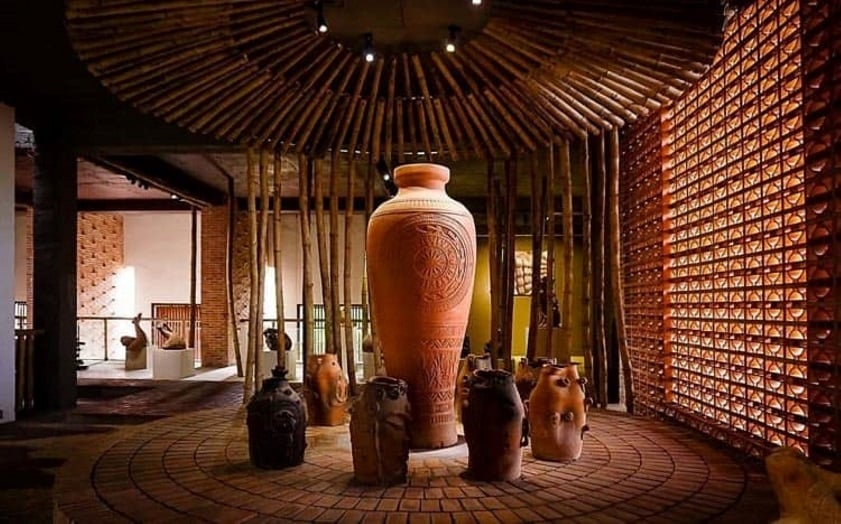
The pottery craft of Thanh Ha, which reached its peak during the 16th and 17th centuries, has played a vital role in shaping the history and identity of Hoi An. The bricks and tiles produced here were essential materials used in the construction of the town’s ancient houses, temples, and communal halls.
Beyond Hoi An, Thanh Ha pottery also became a hallmark of Quang Nam Province, widely used in traditional household items, while the village’s master artisans contributed their expertise to the architecture of royal buildings in Hue.
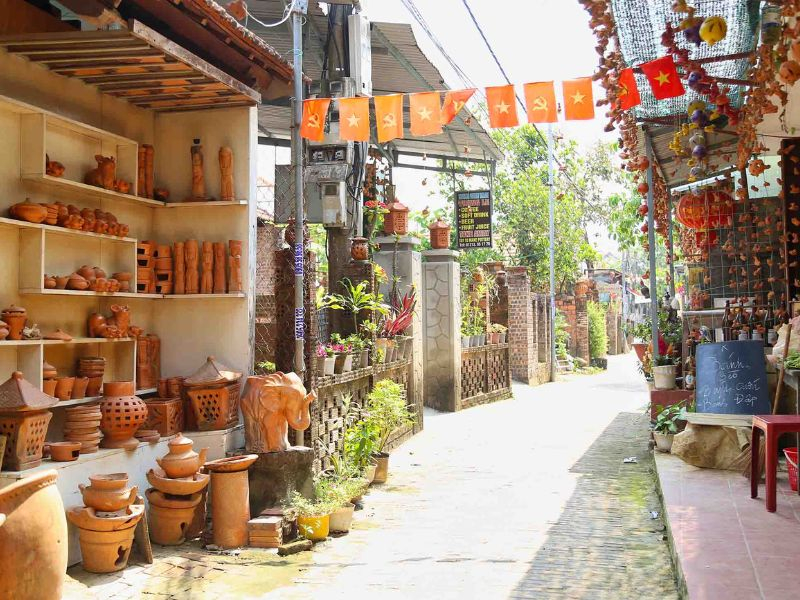
More than just a craft, pottery in Thanh Ha represents a living legacy of folk wisdom and artistic language passed down through generations. The villagers have preserved not only their techniques but also the rich vocabulary, rituals, and philosophies surrounding the art of pottery-making.
Today, these cultural values continue to be celebrated and shared through tourism activities that allow visitors to experience this heritage firsthand. In recognition of its enduring significance, Thanh Ha pottery was officially inscribed on Vietnam’s National Intangible Cultural Heritage List in 2019.
The art of Thanh Ha pottery begins with high-adhesive yellow clay, collected from river fields around the village at depths of 50–100 centimeters. The clay is mixed with water and kneaded several times until it becomes soft and elastic, then shaped on a spinning wheel into elegant forms.
Once molded, each piece is sun-dried, refined for symmetry, and left to dry completely. For glazed items, artisans apply a mixture of copper, lead, hematite, and kaolin to create a smooth, glossy finish. The final firing takes place in traditional brick kilns, where skilled potters judge the perfect moment by observing the color of the smoke and testing a sample pot.
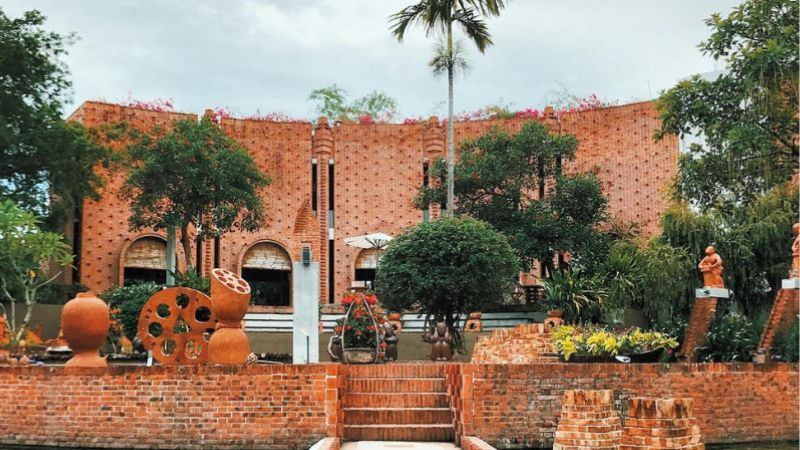
Thanh Ha Pottery Village produces more than forty types of ceramics used in daily life and cultural activities, from jars, pots, and vases to incense burners and candle holders. The distinct shapes — flared mouths, rounded shoulders, and unglazed textures — reflect the village’s simple yet refined aesthetic.
Alongside traditional wares, Thanh Ha is also known for its art pottery, featuring intricate designs such as Chinese characters, geometric motifs, and even modern logos. Fired in traditional or upright kilns, these artistic pieces include statues, lamps, vases, flower pots, and decorative masks — each showcasing the timeless craftsmanship and creativity of Thanh Ha artisans.
>> Dive deeper into Hoi An and beyond in our Discover series


